
My Cancer Journey
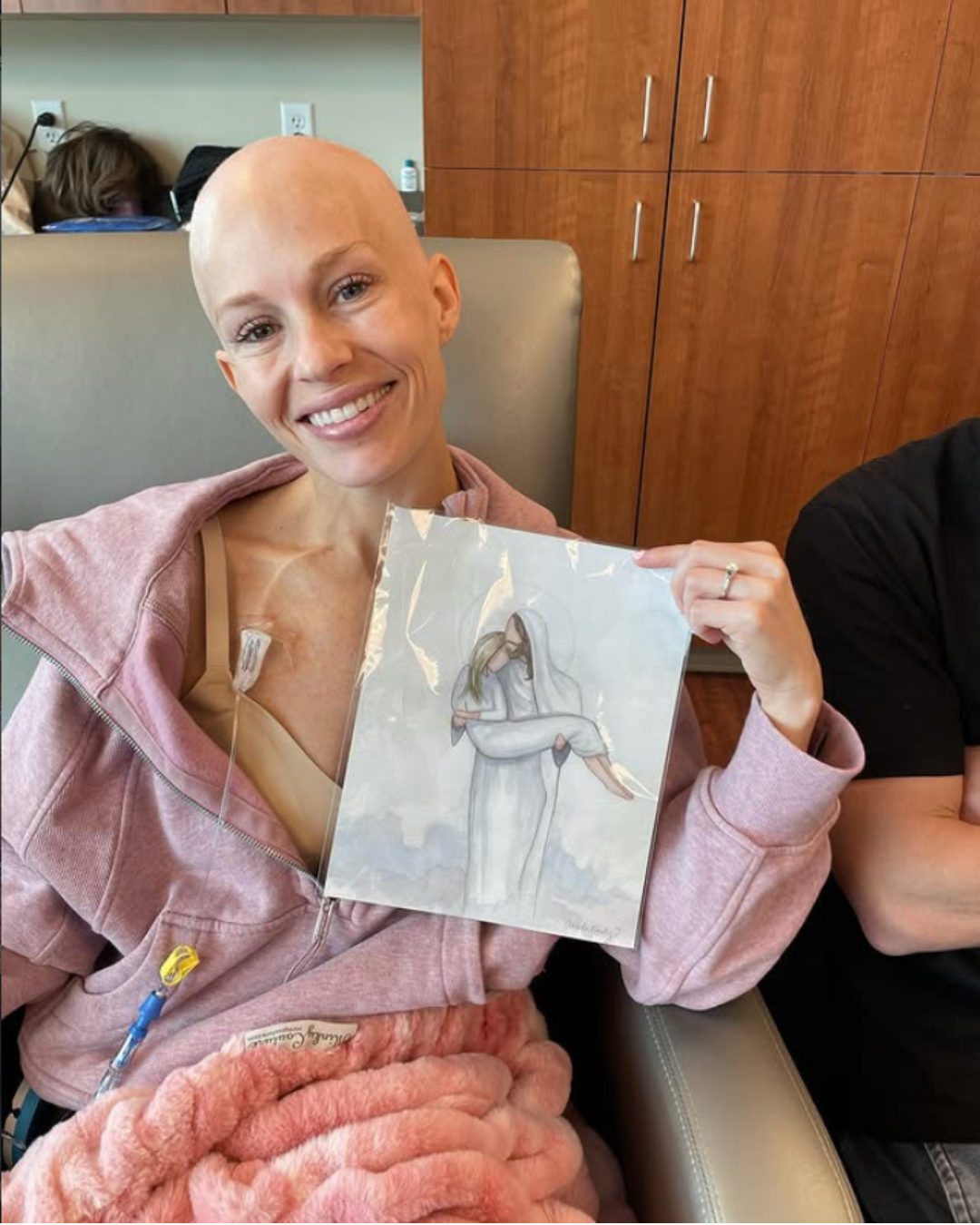
When I was first diagnosed with breast cancer, I trusted the system completely.
I followed every recommendation. Chemotherapy. Radiation. A double mastectomy. Verzenio. Lupron. Letrozole. Everything they told me would save my life.
It nearly broke me.
My family and I survived it—but “surviving” came at a cost. Systemic therapy took a massive toll on my body, my mind, and my spirit. I tried to heal, to rebuild, to feel like myself again, but the long-term preventative medication plan felt unbearable. Eventually, I made the difficult decision to step away.
Not because I gave up—but because I was exhausted.
When the Cancer Came Back
Six months after stopping Lupron, Letrozole, and Verzenio, I received another devastating diagnosis.
My Signatera test showed rising circulating tumor DNA. The cancer had progressed to Stage 4. It had spread to my spine and pelvic bones.
This time, doctors told me the prognosis was 2–5 years—even with treatment.
I had done everything “right” the first time. I had kept every promise they asked of me. And yet here I was again.
So I made a decision:
I would take a more active role in my care.
Choosing a More Intentional Path
Instead of continuing Lupron—which caused severe psychological side effects—I chose surgery to remove my ovaries and eliminate the primary source of estrogen fueling my cancer.
I also worked closely with my radiologist (who I deeply trust) to radiate the tumors in my spine and pelvis.
This time around, I wanted my approach to be both comprehensive and sustainable—addressing the cancer from multiple angles while still honoring the limits of my body.
As part of that balance, I am taking anastrozole, an estrogen-blocking medication, to continue suppressing hormone signaling. Given that my cancer is estrogen-driven, this felt like an important and measured layer of support—one that fits within the broader strategy I’ve chosen.
Discovering the “Ivy League Protocol”
Alongside these decisions, something unexpected happened.
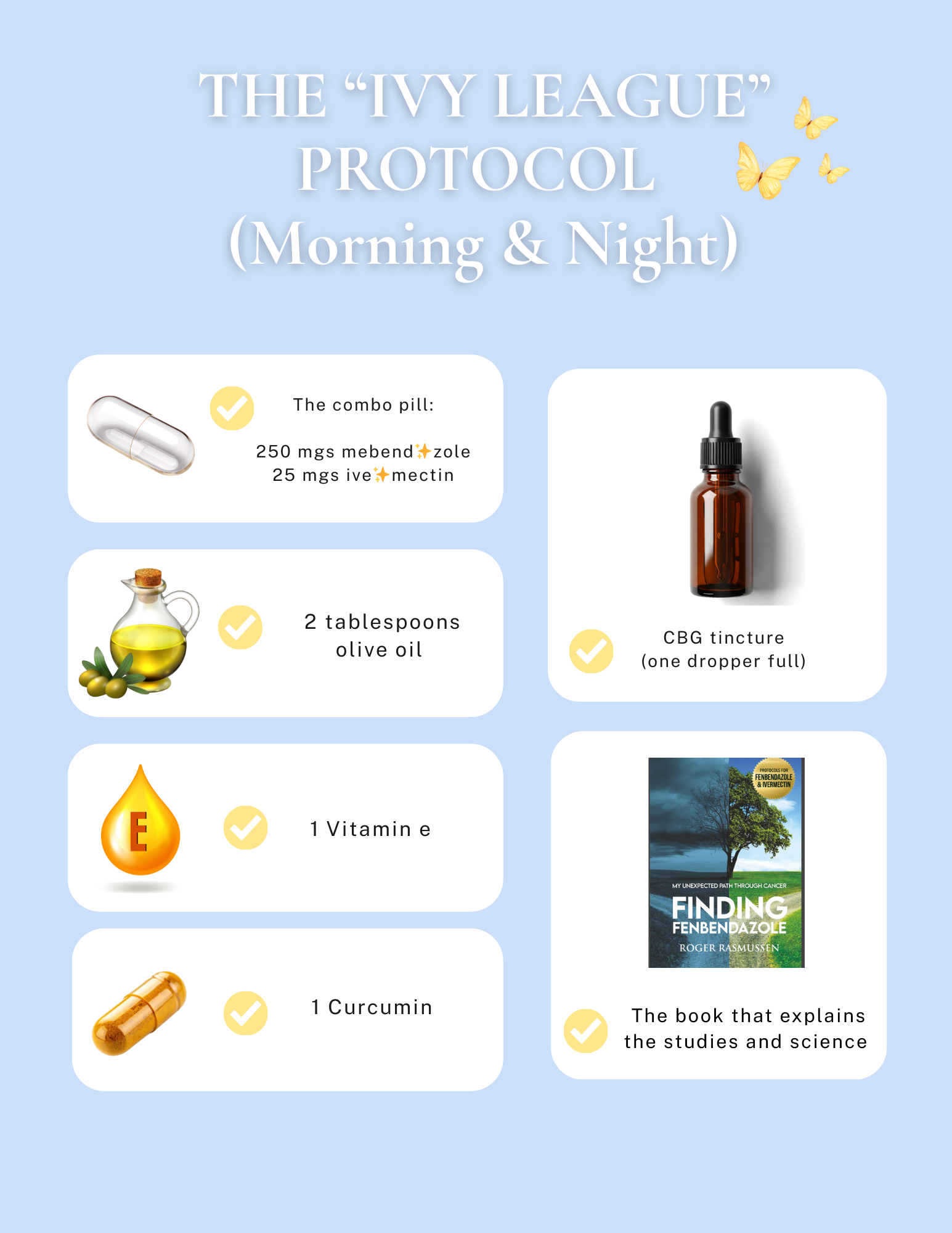
Through research, conversations, and what felt like divine timing, I came across a protocol I felt called to try. The way it entered my life felt guided—through synchronicities, chance encounters, and moments that felt bigger than coincidence.
I now call it the “Ivy League Protocol.”
Not because it’s prestigious—but because mentioning its real components tends to get content flagged online.
This protocol wasn’t something I followed blindly. It came from deep reading, careful experimentation, and conversations with other cancer patients who had experienced outcomes no one expected.
I don’t claim to be an expert.
I’m just a mom sharing her story—someone who reached a point where traditional medicine had no more answers for me.
What Happened Next
After four months on this protocol, I had a PET scan.
My radiologist walked into the room visibly stunned.
She told me, “Carli, your scan is perfect. No cancer.”
They had fully expected progression—especially since I had declined additional systemic therapies like Kisqali.
Instead, there was no new growth.
I continued with the protocol.
And recently, I received another perfect PET scan.
Next, I’ll continue monitoring through Signatera to track circulating tumor DNA and follow any changes closely.
What I Do Now (When My Body Is Nourished and Stable)
These are practices I only use when I’m at a healthy weight and well-nourished. They’re not tools I use to punish or “fix” my body—but strategies I layer in once a strong foundation is already in place.
Whatever it is, the way you tell your story online can make all the difference.
Once a week, I take a microdose injection of a GLP medication.
Insulin resistance and obesity are two of the strongest risk factors for cancer. If you believe, as I do, that cancer has a significant metabolic component, then maintaining stable insulin levels and a healthy weight isn’t just general wellness advice—it’s a meaningful part of prevention.
The GLP helps me maintain metabolic health without the constant white-knuckling that so often comes with traditional dieting.
For two years, I used a 10-unit weekly microdose of tirzepatide, which worked very well for me.
In the past three months, I’ve transitioned to retatrutide and am continuing to monitor how my body responds.
Monthly Water Fast
Once a month, I do a short water fast—three meals, roughly 24 hours.
Fasting activates autophagy, the body’s built-in cellular cleanup process. I think of it as taking out the trash at the cellular level—breaking down old, damaged, or dysfunctional cells so the body can function more efficiently.
It’s one of the most powerful reset tools we have—and it costs nothing.
I know many people who do longer fasts quarterly, which I’ve researched and considered, but for now this shorter fast feels appropriate and sustainable for my body.
What I wish I could do but I'm on an SSRI
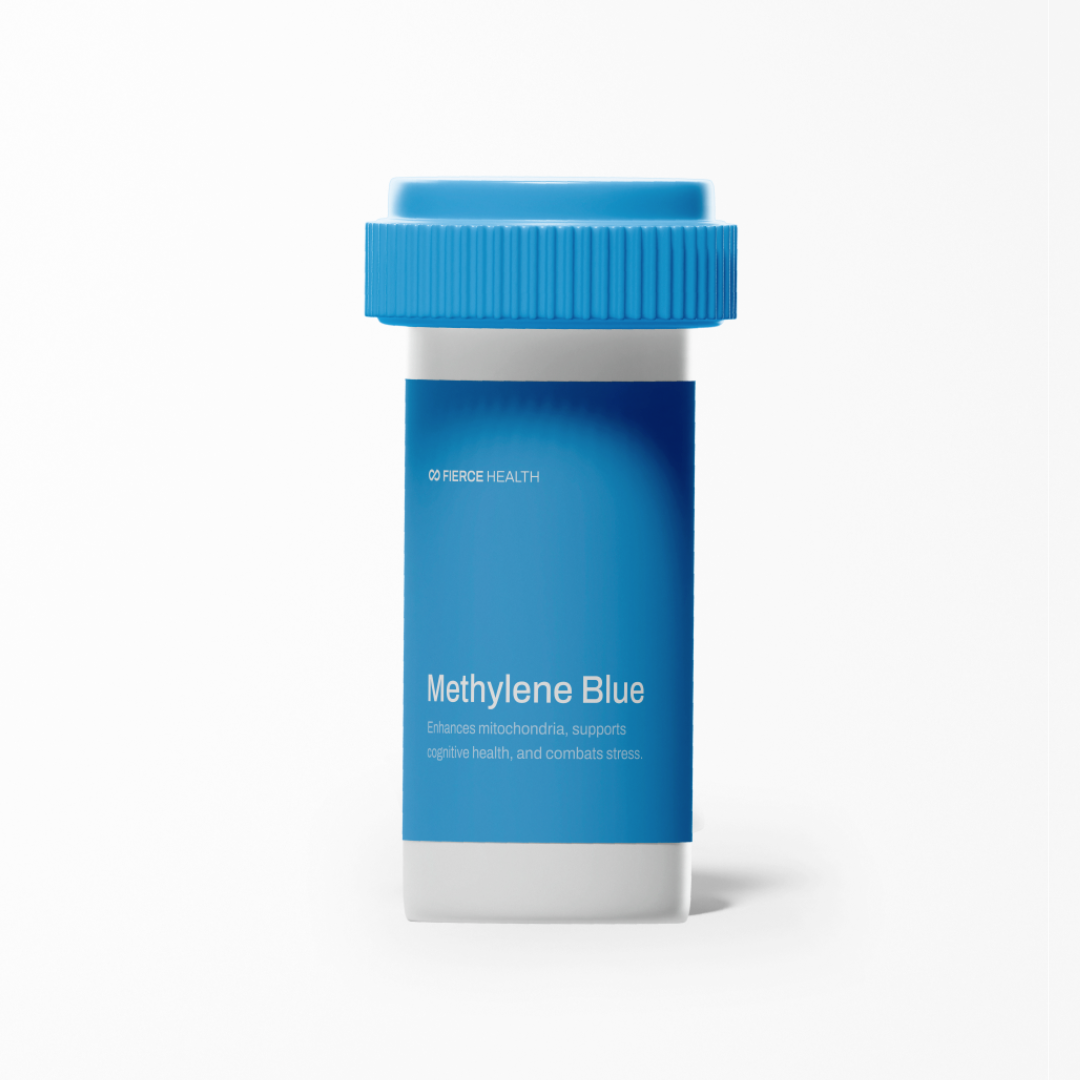
Methylene blue has been around for over a century—originally used as a dye and antimalarial. More recently, it’s been studied for its potential effects on mitochondrial function, the energy factories inside our cells.
Since the metabolic theory of cancer centers on mitochondrial dysfunction, supporting healthy mitochondria feels intuitively aligned with how I now think about healing.
I’m still researching the optimal protocol and plan to introduce this thoughtfully and cautiously. I’ll share how it goes.
Binders (Maybe)
Binders are also on my radar.
They’re commonly used in alternative health spaces to help reduce toxic load in the body. I haven’t incorporated them yet, but I’m learning. The idea is that by reducing the burden of detoxification, the body may have more resources available for cellular repair and maintenance.
This is still in the consideration phase for me.
What I’m Researching
Right now, I’m researching peptides that may support immune function and overall cellular health.
This isn’t something I’ve implemented yet. I’m reading studies, listening to clinicians who work with peptides, and trying to better understand how immune signaling, inflammation, and recovery intersect—especially in bodies that have been through extensive treatment.
My goal isn’t to chase miracles.
It’s to understand how to gently support the immune system in doing what it’s designed to do—protect, regulate, and repair.
The Bigger Picture
I don’t see myself as a leader.
I don’t claim to have found a cure.
And I’m not here to tell anyone what they should do.
This is simply part of my story.
I believe the people meant to find this path will feel drawn to it—just as I did. I trust that God, faith, and divine guidance played a role in leading me here.
For me, this approach wasn’t about choosing either conventional medicine or alternative strategies.
It was about creating a thoughtful, layered plan that felt aligned with both the biology of my cancer and the reality of my body.
And continuing to walk forward—one intentional step at a time—through one of the hardest seasons of my life.
